

Wesele Figara/ The Marriage of Figaro
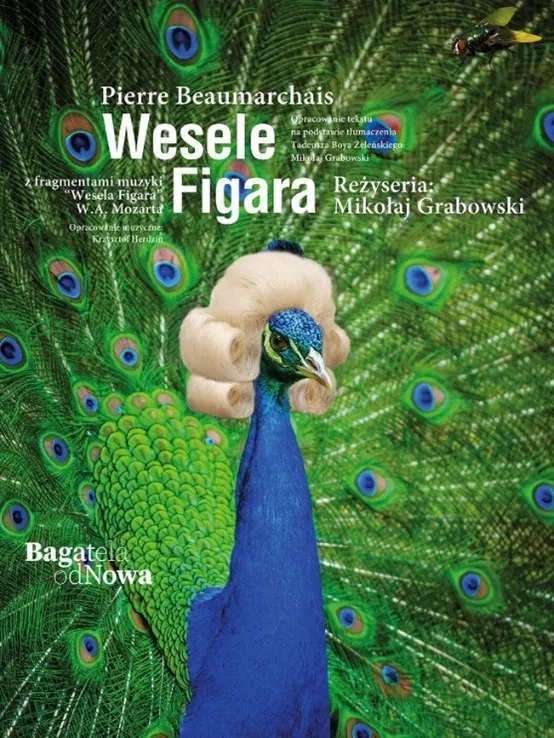
| Adres: | Teatr „Bagatela” im. Tadeusza Boya-Żeleńskiego, ul. Karmelicka 6, |
-
Data:
29 i 30 września oraz 1 października 2026, g. 19:15 ( 2026-09-29 - 2026-10-01 )
Zbliżający się ślub Figara, służącego hrabiego Almavivy, staje pod znakiem zapytania, kiedy w zamku zjawia się Marcelina. Figaro zaciągnął kiedyś u niej dług, zobowiązując się spłacić go lub poślubić kobietę. Sytuację komplikują też sam hrabia, nie kryjący swego afektu do Zuzanny, narzeczonej Figara, oraz młodziutki Cherubin, wzdychający do hrabiny Rozyny, w którym z kolei kocha się córka ogrodnika, Franusia. Próba rozwiązania tego farsowego szaleństwa prowadzi do kolejnych komicznych i zaskakujących sytuacji, kierowanych namiętnościami i słabościami bohaterów.
Choć historia sztuki Pierre’a Beaumarchais’go Wesela Figara oraz stworzonych na jego podstawie przez Lorenzo da Pontego i Wolfganga Amadeusza Mozarta libretta oraz opery sięga XVIII wieku, każde kolejne wystawienie pozwala odkryć na nowo jej ponadczasowy wymiar społeczny. Nowej adaptacji podjął się znany reżyser Mikołaj Grabowski, a piosenki do spektaklu skomponował wybitny muzyk Krzysztof Herdzin, wpisując je w melodie z Mozartowskiej opery. Sztukę wzbogacają stroje aktorów, misternie zaprojektowane przez kostiumolożkę Zuzannę Markiewicz.
The impending wedding of Figaro, Count Almaviva’s valet, is thrown into doubt when Marcelina arrives at the castle. Figaro had once run up a debt with her, promising either to pay it off or to marry her. The situation is further complicated by the Count himself, who makes no secret of his affection for Susanna, Figaro’s fiancée, and by the very young Cherubino, who pines for the Countess Rosina, with whom the gardener’s daughter, Franuśka, is in love. Any attempt to resolve this farcical madness leads to a series of comical and surprising situations, driven by the characters’ passions and weaknesses.
Although the history of Pierre Beaumarchais’s play 'The Marriage of Figaro' – and the libretto and opera based on it by Lorenzo da Ponte and Wolfgang Amadeus Mozart – dates back to the 18th century, each subsequent production offers a fresh insight into its timeless social relevance. The new adaptation has been undertaken by the well-known director Mikołaj Grabowski, whilst the songs for the production were composed by the outstanding musician Krzysztof Herdzin, who has woven them into the melodies of Mozart’s opera. The play is enhanced by the actors’ costumes, intricately designed by costume designer Zuzanna Markiewicz.
Źródło: materiały organizatora